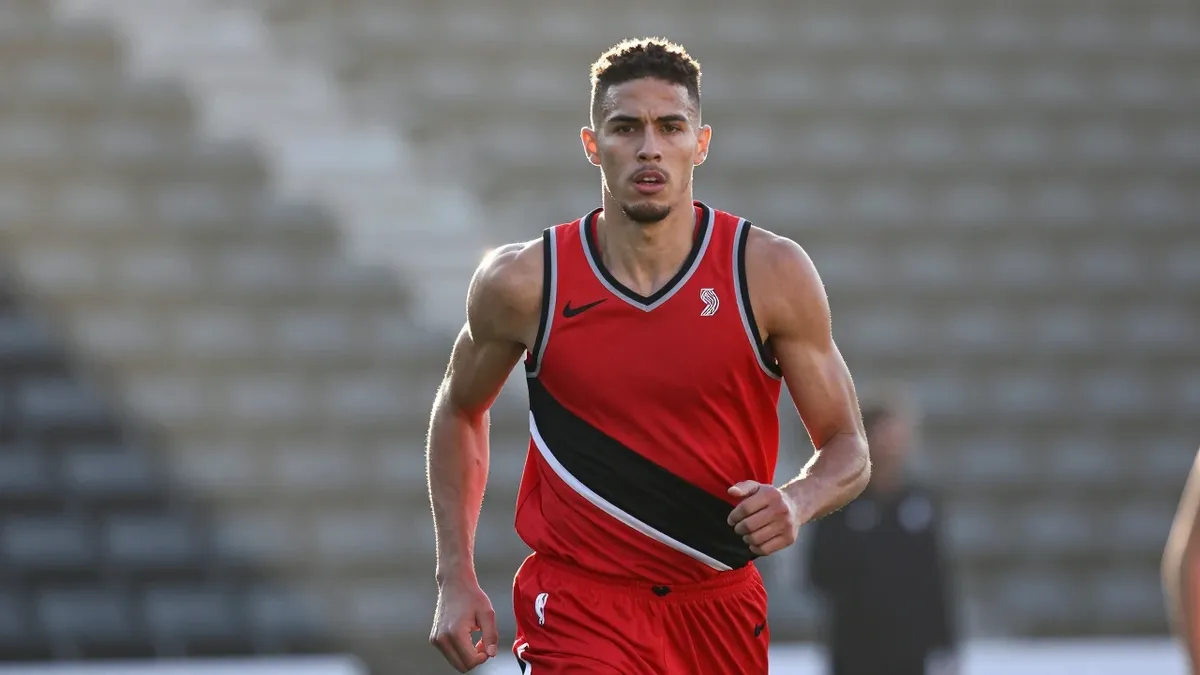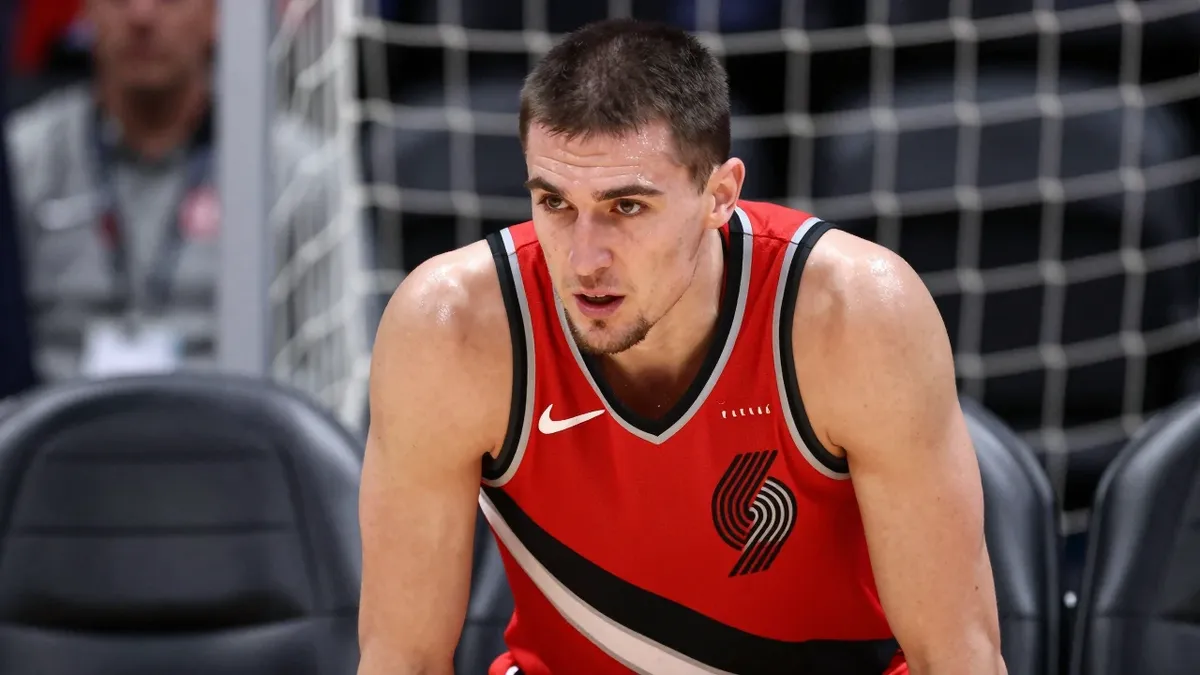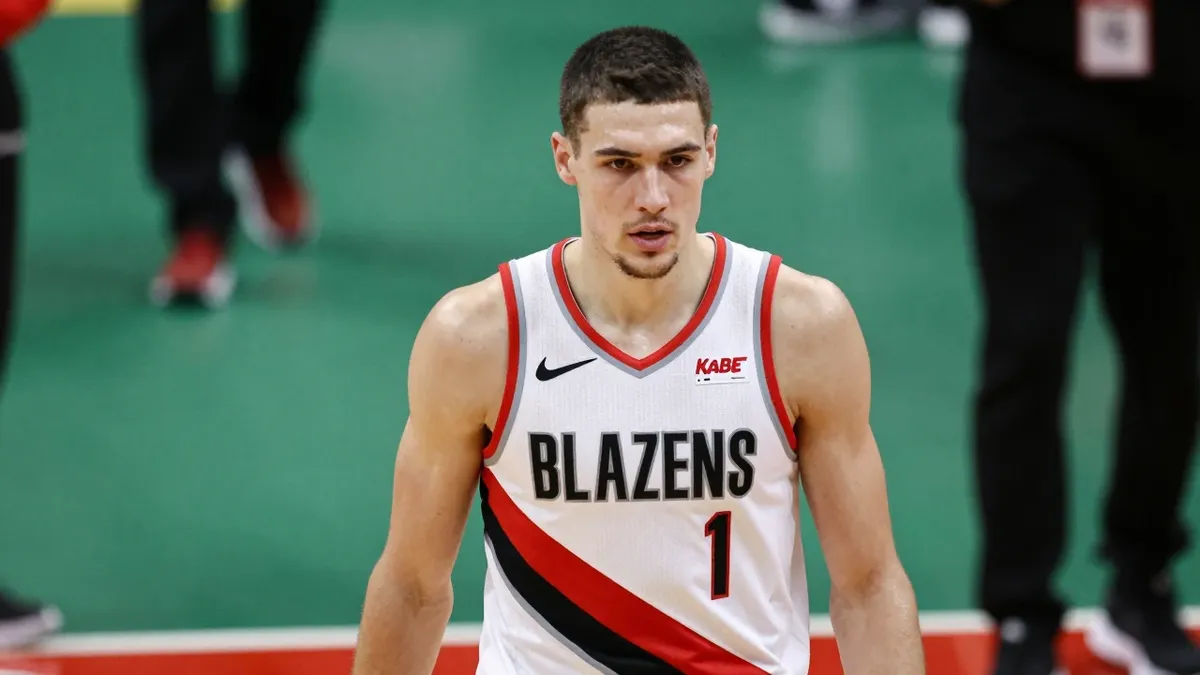
The Portland Trail Blazers have traded nine-time All-Star Damian Lillard to the Boston Celtics in a blockbuster NBA trade, ending his long tenure with the franchise. This move comes as the Blazers look to reshape a crowded backcourt and build for the future,.
Why did the Portland Trail Blazers trade Damian Lillard?
The Blazers' backcourt had become overloaded with talent, creating a significant logjam for minutes and touches. ESPN's Ben Golliver pointed out the challenge for first-year head coach Micah Nori, who was hired in June. Nori's roster is heavy on scoring-minded guards and light on frontcourt difference-makers.
Lillard, Ja Morant, Deni Avdija and Jrue Holiday all have All-Star credentials. Scoot Henderson and Shaedon Sharpe are recent lottery picks. Even if Nori gets creative with his lineups, there simply aren't enough basketballs to go around. Allocating major minutes to four high-usage guards was proving difficult, forcing a decision.
With Lillard turning 36 and coming off a torn ACL, the Blazers viewed younger guards as more critical to their long-term future. Trading a veteran superstar for younger assets and draft capital became a logical path forward.
What is the trade package for Damian Lillard?
In the finalized deal, the Portland Trail Blazers receive sharpshooter Sam Hauser, emerging wing Baylor Scheierman, and second-round draft picks in 2028 and 2030. The Boston Celtics receive Damian Lillard, who waived his no-trade clause to facilitate the move.
For a 36-year-old guard returning from a major injury, this represents an attractive return. Hauser provides immediate floor spacing with his three-point shooting. Scheierman offers developmental potential on the wing. The future draft picks give Portland additional assets to use in trades or to select young talent. You can track the new roster composition on our updated roster page.
The Celtics are banking on Lillard returning to his pre-injury form. Before the ACL tear, he was a nightly 25-30 point-per-game scorer on high efficiency. That version of Lillard could push Boston back up the ranks in a competitive Eastern Conference.
How does this trade impact the Blazers' future?
Portland's future now firmly revolves around its younger backcourt pieces. The focus shifts to 22-year-old Scoot Henderson, who had a 30-point performance in last season's playoffs. Newly-acquired Ja Morant aims to get his career back to an MVP-candidate level.
The trade also follows other notable offseason moves. Portland re-signed Robert Williams to a valuable extension, providing insurance if the injury-prone center misses time. The acquisition of Morant was a pure talent play, but it raised serious fit questions from the start.
Now, head coach Micah Nori has a clearer, if still guard-heavy, rotation to manage. The pressure is on Henderson and Morant to lead the backcourt. The team's success will depend on their development and health. Fans can follow their progress and the team's standings throughout the season.
This trade ends an era in Portland. Damian Lillard was the franchise icon for over a decade, a perennial All-Star who defined Blazers basketball. Getting him to waive his no-trade clause was the biggest challenge, as he has always expressed deep love for the city and the team.
For the Blazers, it's a difficult but necessary step. They add draft capital and young players while addressing a roster imbalance. The immediate test will be stopping the slide.